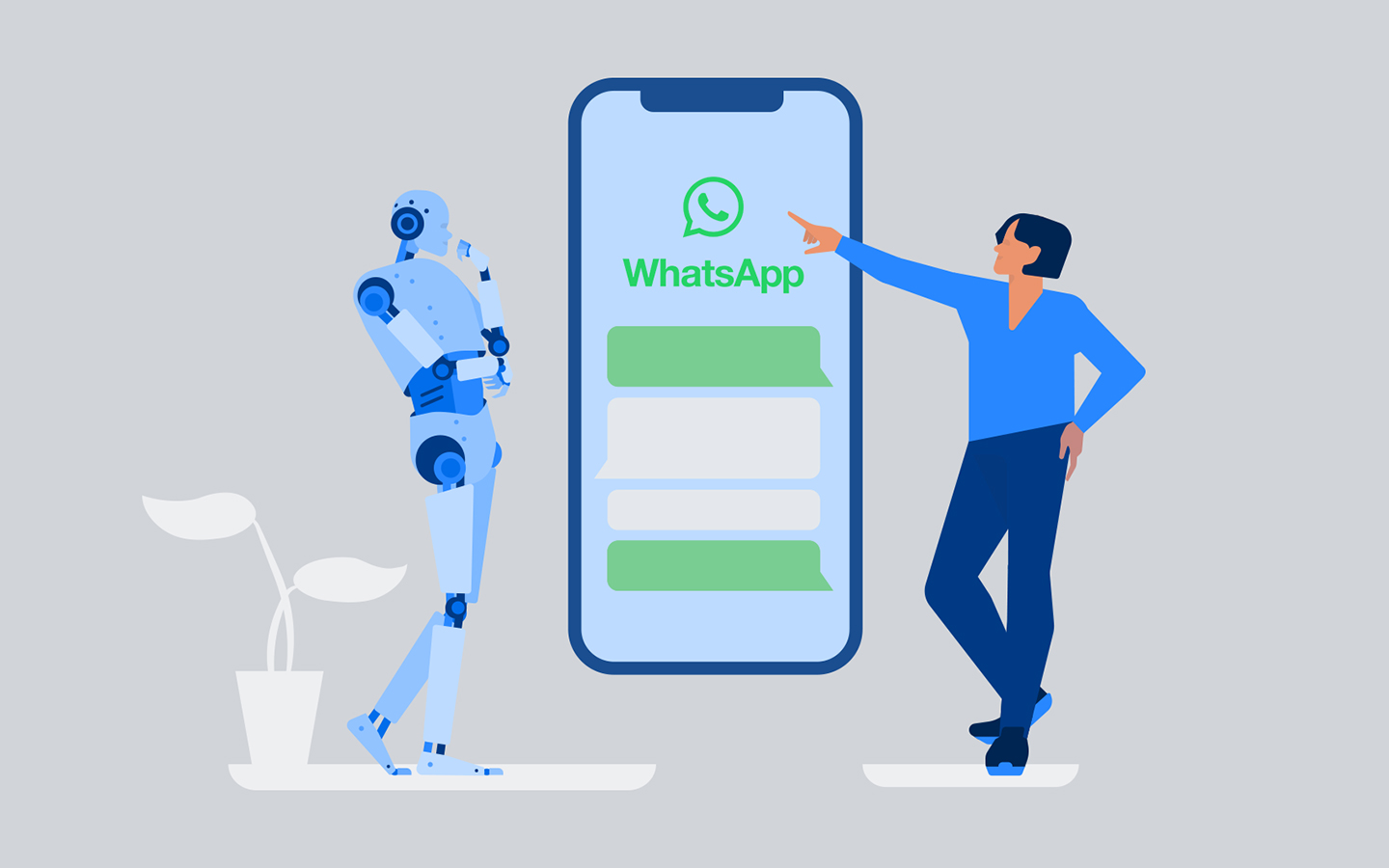
On 15 January 2026, WhatsApp banned general-purpose AI chatbots from operating on its Business Platform. That means any chatbot designed to “talk about anything” or function as a wide-open digital assistant will no longer be permitted.
For automotive retailers, or anyone experimenting with AI conversations on WhatsApp, this is a significant policy shift. The update is part of a wider move by Meta to keep WhatsApp focused on task-specific, customer-centred interactions rather than open AI experiences.
So, what’s actually changing and what should you do about it?
Why WhatsApp is making the change
Meta does not appear to be trying to stifle innovation but it is clearly refining how AI is used on WhatsApp. Recent changes suggest a tighter focus on customer service and commerce use cases, rather than open-ended conversational AI.
The emphasis seems to be on maintaining the quality, safety and consistency of user experiences, while ensuring business messaging remains reliable, transparent and aligned with brand expectations. Updates to the Messaging Policy and accompanying best practice guidance reinforce this direction, placing limits around how and where automation should be used.
Taken together, the changes indicate a preference for clearly defined customer journeys, rather than always-on AI chat companions.
What’s changing and when
The detail lives in the updated Business Solution Terms and new AI Providers clause.
- General-purpose AI chatbots are out - these are now explicitly prohibited as a “primary functionality” on the Business API.
- Task-specific automation stays in - guided flows, FAQs, lead qualification, order updates and appointment scheduling remain permitted when used compliantly.
- Timeline - changes apply from 15 January 2026.
- Data handling - vendors integrating AI must process WhatsApp data only on your behalf, not to train or improve their own models.
What this means for automotive retailers
If you’re already using WhatsApp for clearly defined lead capture, service reminders or customer updates, don’t worry - those structured use-cases should remain fully compliant.
But if you’ve been experimenting with a general AI chatbot - one that can answer any question or carry an open conversation - you’ll likely need to refocus your design.
The new rules mean your WhatsApp AI must:
- Stay scoped to defined intents – e.g. booking a test drive, confirming a service, following up finance enquiries or providing MOT reminders.
- Follow approved message templates – within categories such as Utility or Marketing.
- Include a clear hand-off to a human for anything sensitive or out of scope.
- Work through approved partners who comply with WhatsApp’s data-processing standards.
Quick compliance checklist
Here’s a simple four-point sense check for your current or planned WhatsApp setup:
- Purpose - Is your bot task-specific rather than a general assistant?
- Flows - Are conversations built around customer service or commerce goals, with clear guardrails?
- Escalation - Can customers reach a human easily when needed?
- Vendors - Do your providers process WhatsApp data only on your behalf, as required by the Business Solution Terms?
If you answer “no” to any of these, now’s the moment to act.
How AI Assistant ensures compliance
Every AI Assistant WhatsApp solution is built in collaboration with Meta new standards and aligned to the updated terms. Our focus is the same as WhatsApp’s - creating AI that improves customer experiences without crossing compliance lines.
In automotive retail, that means AI designed specifically for:
- Sales – lead generation, customer qualification, test-drive booking
- Aftersales – service and MOT reminders plus EHVC follow up
- Marketing – opted-in notifications and permissions updates
You get all the advantages of AI speed and precision, with the assurance that your deployment meets Meta’s evolving standards.
The bottom line
As of 15 January 2026, general-purpose AI chatbots are out on WhatsApp. Specialised, compliant automation is still very much in.
Handled the right way, these changes aren’t a restriction - they’re an opportunity to sharpen your customer conversations and get even more value from AI.
Worried about your WhatsApp solution?
If you’d like a quick compliance review or guidance on future-proofing your WhatsApp strategy, AI Assistant can help you get there fast - and stay there safely. Contact us at [email protected] or call 01488 757447 to learn more.